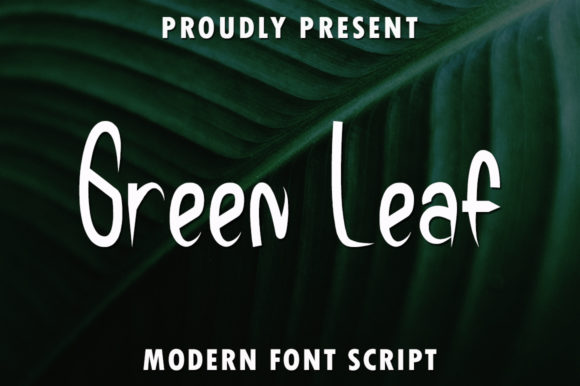
Green Leaf: A Handwritten Font for Engaging Web Design
As I was tweaking the hero section of a boutique online store, I stumbled upon Green Leaf, a simple and friendly handwritten font. The moment I saw it, I knew it could add a unique, timeless touch to the design. This typeface has a completely different and distinctive style that can help create spectacular and memorable designs.
Introducing Green Leaf: A Versatile Handwritten Font
Green Leaf is a premium script font with a modern, yet classic appeal. Its handwritten style brings a personal, approachable feel to any digital project. The fluid, organic lines and subtle variations in stroke width give it a natural, almost hand-crafted look, making it perfect for adding a human touch to web layouts.
Using Green Leaf in Website Headers and Hero Sections
In my project, I first tested Green Leaf in the hero section of the online store. The font's flowing, elegant curves made the brand name stand out, creating a welcoming and inviting atmosphere. For a more polished and professional look, I used it in a slightly larger size, ensuring it was legible and eye-catching without overwhelming the layout.
Enhancing Readability and Visual Hierarchy
One of the key considerations when using a decorative font like Green Leaf is readability. To ensure the text remains clear and easy to read, I kept the use of Green Leaf to short, impactful phrases and headings. For longer sections of text, I paired it with a clean, sans serif font, which helped maintain a balanced and readable layout.
Perfect for Creative Portfolios and Branding
Green Leaf is an excellent choice for creative portfolios, where a unique and artistic touch is essential. In a portfolio site, I used Green Leaf for the main heading and subheadings, complemented by a minimalist sans serif for the body text. This combination not only highlighted the creative work but also provided a cohesive and professional look.
Designing for Mobile and Responsive Layouts
When designing for mobile and responsive layouts, it's crucial to test how the font performs on smaller screens. I found that Green Leaf maintained its charm and readability even on mobile devices. However, for very small buttons or tight spaces, I opted for a simpler, more legible font to ensure a seamless user experience.
Font Pairing for a Cohesive Look
To create a well-rounded and visually appealing design, I paired Green Leaf with a simple, clean sans serif font for body copy. This combination allowed the handwritten font to shine in headings and call-to-action areas while keeping the overall layout easy to read and navigate. For a more editorial feel, I also experimented with a serif font, which added a touch of sophistication and elegance.
Checking Included Styles and Licensing
Before using Green Leaf on client projects, I checked the included styles, webfont availability, and file formats. It's important to ensure that the font supports the necessary weights and alternates, and that it includes multilingual support if needed. Additionally, verifying the commercial font licensing is crucial to avoid any legal issues, especially when using the font for online stores, landing pages, or digital templates.
Conclusion: Adding Personality to Your Web Design
Green Leaf is a versatile and charming handwritten font that can add a unique and personal touch to any web design project. Whether you're working on a boutique online store, a creative portfolio, or a coaching website, this typeface can help you create a more engaging and memorable brand experience. Just remember to balance it with more legible fonts for body text and to test its performance across different devices and screen sizes.